
Twinship as Mirror and Burden
I Know This Much Is TrueThe novel traces how Dominick’s identical bond with Thomas shifts from childhood companionship into fear, guilt, separation, and a more complicated acceptance of shared humanity.
increasing Bearing strength in each event
 decreasing
Bearing strength in each eventdecreasingTwo Lives in One Face
Two Lives in One Face
A shared beginning
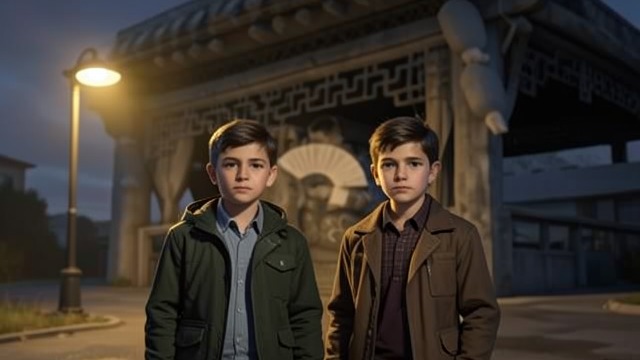
Dominick Birdsey and Thomas Birdsey enter the world six minutes apart, on opposite sides of a New Year. Their mother’s newspaper clipping makes them a public curiosity before either boy can understand what it means to be identical. The coincidence of two births in two different years gives their shared identity an almost theatrical shape.
The first distinctions
Their family nevertheless assigns them different roles. Thomas is the affectionate, anxious “bunny rabbit,” while Dominick is the curious “spider monkey,” inclined to climb, challenge, and take risks. The labels distinguish the boys but also begin to define what each is permitted to be.
A bond under pressure
The twins’ likeness makes Dominick feel that separation will be difficult and necessary. He watches Thomas closely, compares their strengths, and sometimes uses his greater confidence to set himself apart. Their bond offers intimacy, but its mirror also makes difference feel like a competition.
The Look-Alike as Cover

The Look-Alike as Cover
An unwanted closeness
When Dominick and Thomas begin college, Dominick wants separate rooms and a chance to become an individual. Their shared typewriter and their mother’s appeals keep them entangled, while Thomas’s anxiety makes independence feel to him like abandonment. Dominick’s desire for freedom is real, but it is also sharpened by years of resentment.
A convenient distinction
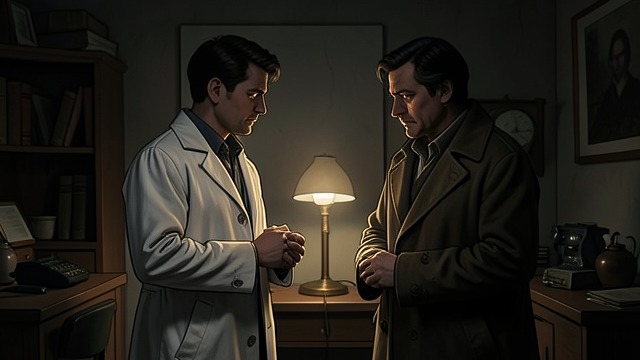
Dominick learns to present himself as the capable twin, the one who can handle Ray and survive on his own. Thomas’s difficulties make that contrast especially useful: if others see one brother as competent and the other as troubled, Dominick can imagine that the family’s danger belongs to Thomas alone.
Fear beneath the contrast
That division never entirely convinces him. Identical faces leave open the possibility that Thomas’s fate could be his own. Dominick’s confidence is therefore not simple self-assurance; it is partly a defense against the fear that there may be less distance between the brothers than he needs to believe.
The Unchosen Twin
The Unchosen Twin
A life measured against Thomas
After Thomas’s first severe psychiatric crisis, Dominick becomes the brother who manages calls, visits, records, and emergencies. His sense of responsibility grows alongside his frustration: he resents the work, yet cannot imagine leaving Thomas without protection. Care becomes both a bond and a measure of his own life.
Reversals of strength
The roles that once seemed stable begin to reverse. Thomas, once the cautious child who worried about Dominick’s risks, becomes consumed by delusions and institutional routines. Dominick retains practical competence but begins to feel that the illness has taken something from both brothers, not merely from its diagnosed patient.
The name of the loss
Dominick repeatedly fears becoming Thomas, while also grieving the brother who is no longer accessible to him. The idea of the “untwinned twin” names this double loss: Thomas remains alive, but the familiar intimacy between them is fractured. Their likeness makes separation feel less like a clean boundary than a wound in a shared self.
The Missing Other Half
The Missing Other Half
Separation made visible
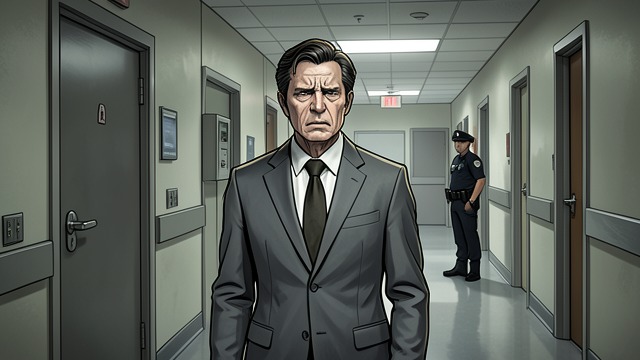
Thomas’s transfer to Hatch turns the brothers’ emotional distance into a physical barrier: locked doors, security procedures, and delayed visits. Dominick argues that Thomas belongs at Settle, but his own fear and anger make every encounter with the institution more volatile.
A mirror that frightens
When Dominick finally sees Thomas, he sees the cost of confinement in his brother’s body and behavior. The stump, the institutional clothes, and Thomas’s isolation force him to confront not only Thomas’s vulnerability but his own lifelong urge to be the “sane” twin.
Love without mastery
Dominick wants to protect Thomas but cannot control the illness, the hospital, or the decisions of the Review Board. The novel makes the limits of twin loyalty central: love can sustain a connection, but it cannot guarantee safety or restore the person who has been lost to psychosis.
A Bond Beyond Rescue
A Bond Beyond Rescue
A final reach toward closeness
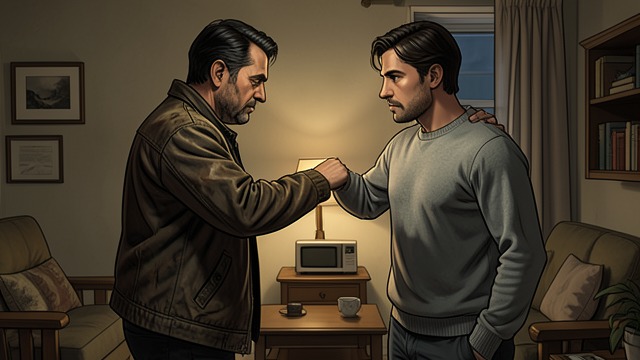
After Thomas is released from Hatch, Dominick tries to resume an ordinary relationship with him, but ordinary life cannot be restored by a decision or a promise. The brothers’ shared past remains present in their gestures, arguments, and memories, even as illness and institutionalization have changed what they can give one another.
The limits of being a keeper
Dominick’s promise to Ma that he would care for Thomas has shaped his choices for decades. Eventually, he begins to recognize that keeping someone safe is not the same as possessing the power to prevent every harm. The promise’s emotional force persists even after its practical limits become undeniable.
What survives the separation
The novel does not erase the anger or grief that accompanied their bond. Instead, Dominick’s later understanding allows affection and resentment to coexist without pretending that either cancels the other. His brother remains part of his identity, but no longer only as a burden he must carry alone.
At the twins’ birth in 1949 and their early childhood
During the college years beginning in 1968
In the years after Thomas’s illness begins in 1970
After Thomas is committed to Hatch in October 1990
From Thomas’s release in 1991 through the later aftermath
